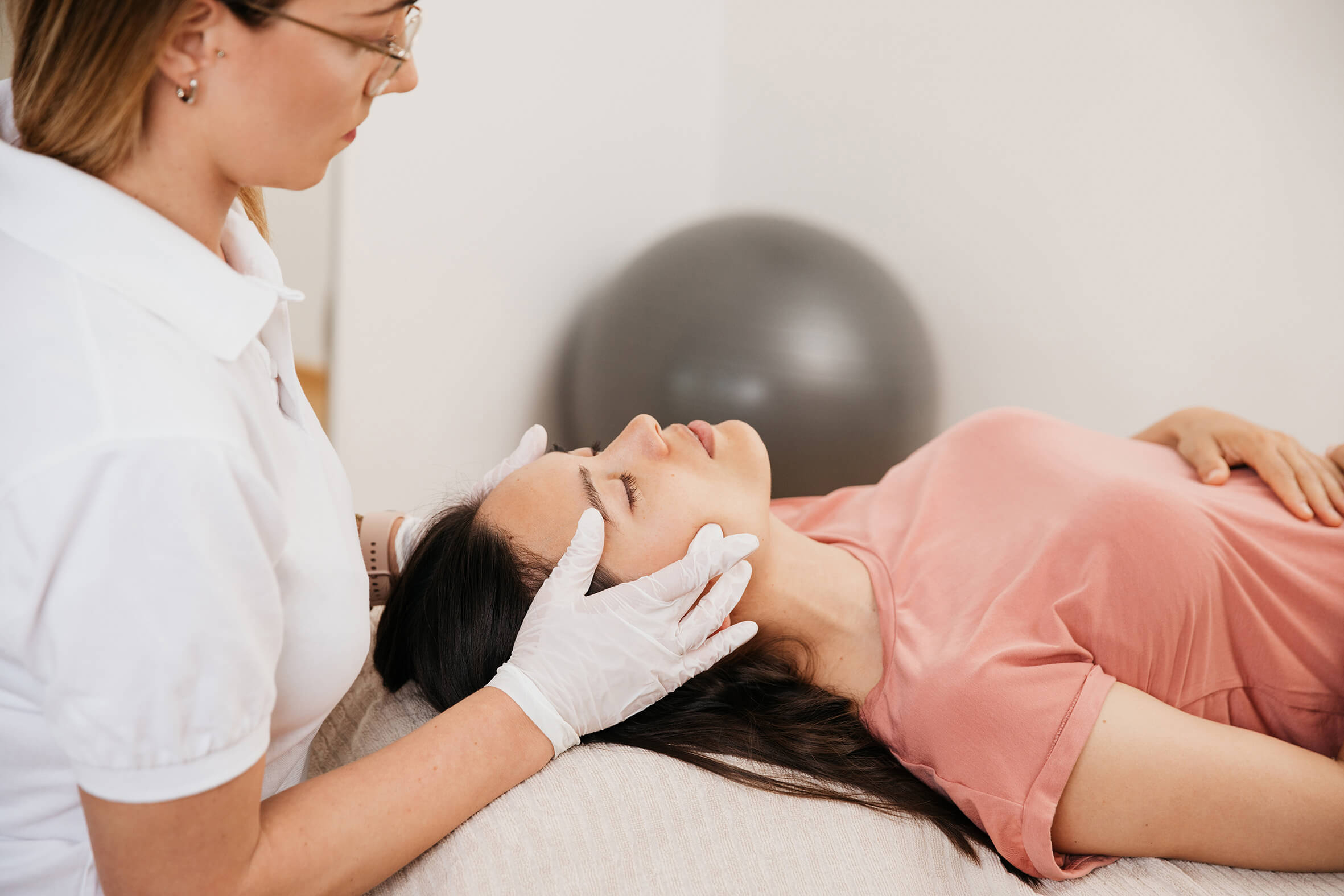
As a patient you are unique. Discover how our individual treatment can help you to relieve your tinnitus in the long term.

At ANDRUKONIS, tinnitus treatment begins with a detailed initial consultation and a comprehensive case history. Our physiotherapists record your medical history and carry out targeted diagnostic tests in order to determine the cause and extent of your tinnitus.
Based on these findings, an individual treatment plan is drawn up for you that is precisely tailored to your needs as a patient.
The therapy itself comprises a combination of manual techniques, specific exercises and relaxation techniques:
The manual therapies aim to release tension in the head, neck and jaw area and to improve circulation.
In addition, exercises are carried out to strengthen and relax the affected muscles.
After each session there is a follow-up discussion in order to assess progress and adjust your therapy plan if necessary.
„Tinnitus is not just a sound in the ear; it can affect your entire well-being. An individually tailored therapy is therefore crucial in order to improve the quality of life of those affected.„
At the start of the therapy there is a detailed initial consultation in which the physiotherapist records your medical history and your specific complaints.
The physiotherapist carries out various tests with you in order to determine the exact cause and extent of your tinnitus. This can include manual examinations and special hearing tests.
Based on the diagnostic results we draw up an individual therapy plan for you that is matched to your needs and goals.
Where needed, and depending on the findings, your physiotherapist applies targeted manual techniques to release tension in the head, neck and jaw area and to improve your circulation.
In certain cases, targeted exercises to strengthen and relax the affected muscles are used in order to achieve lasting improvements.
At the end of the therapy your physiotherapist discusses the entire course of treatment with you. Where appropriate, you arrange further measures or follow-up appointments in order to secure your results in the long term.
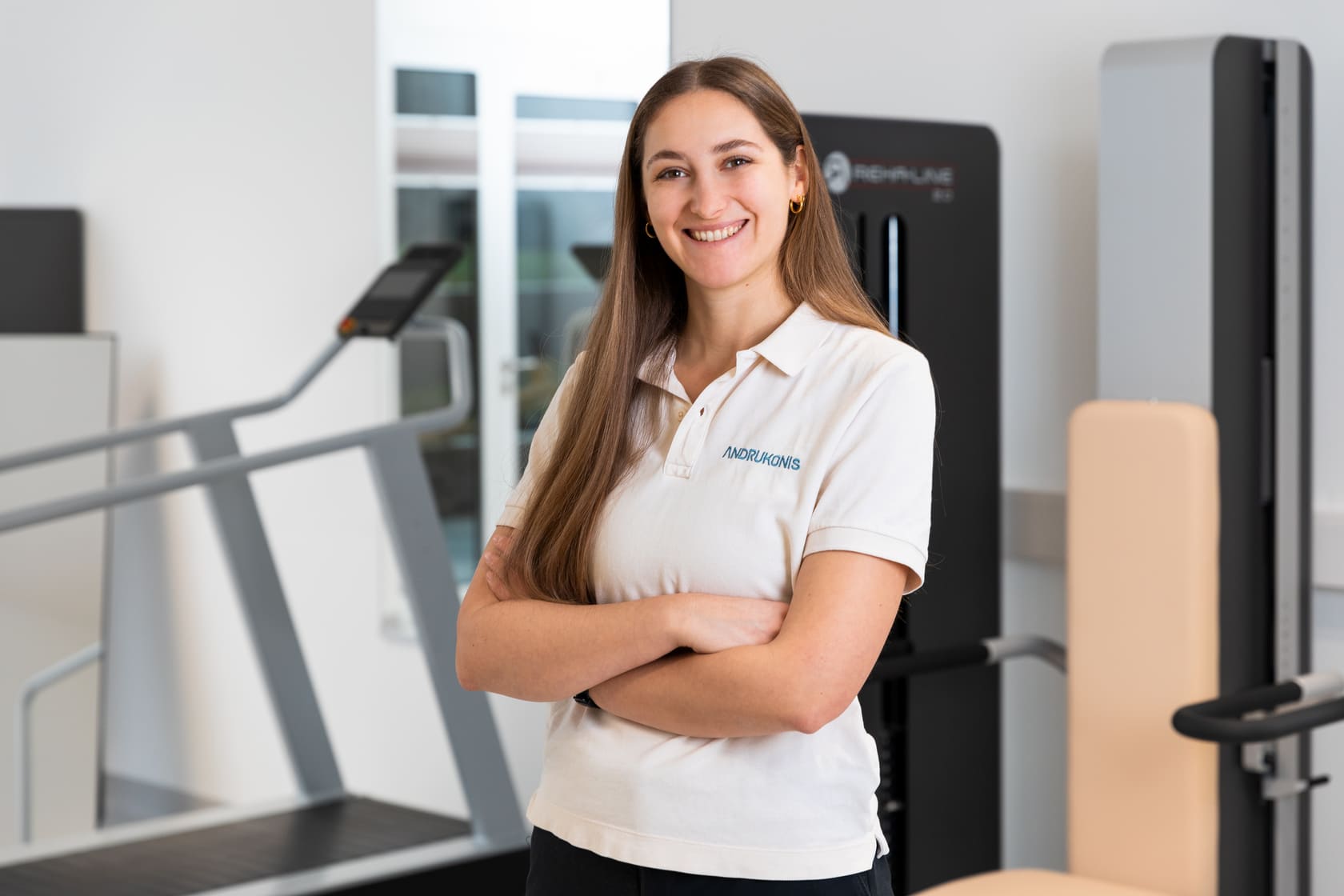
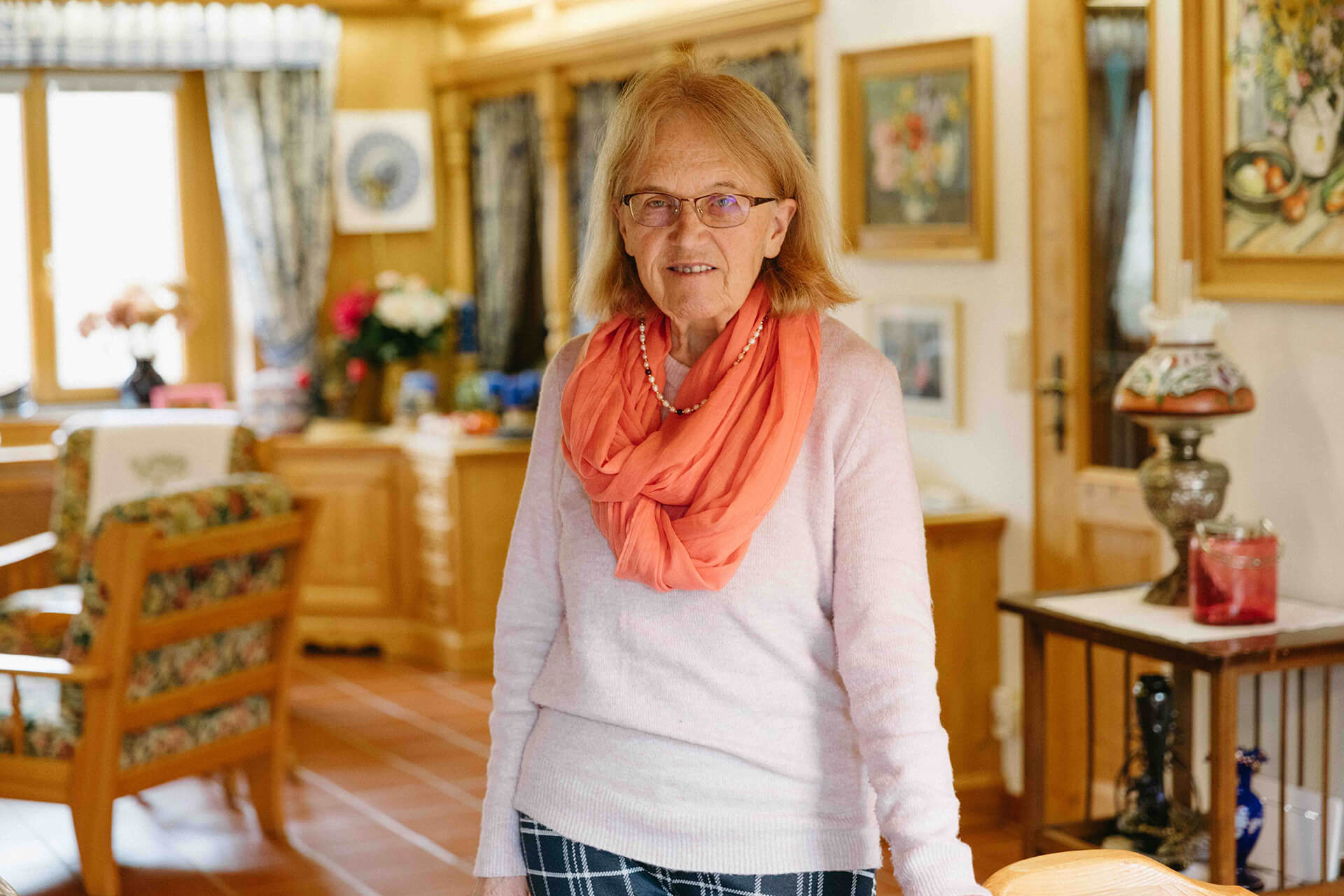
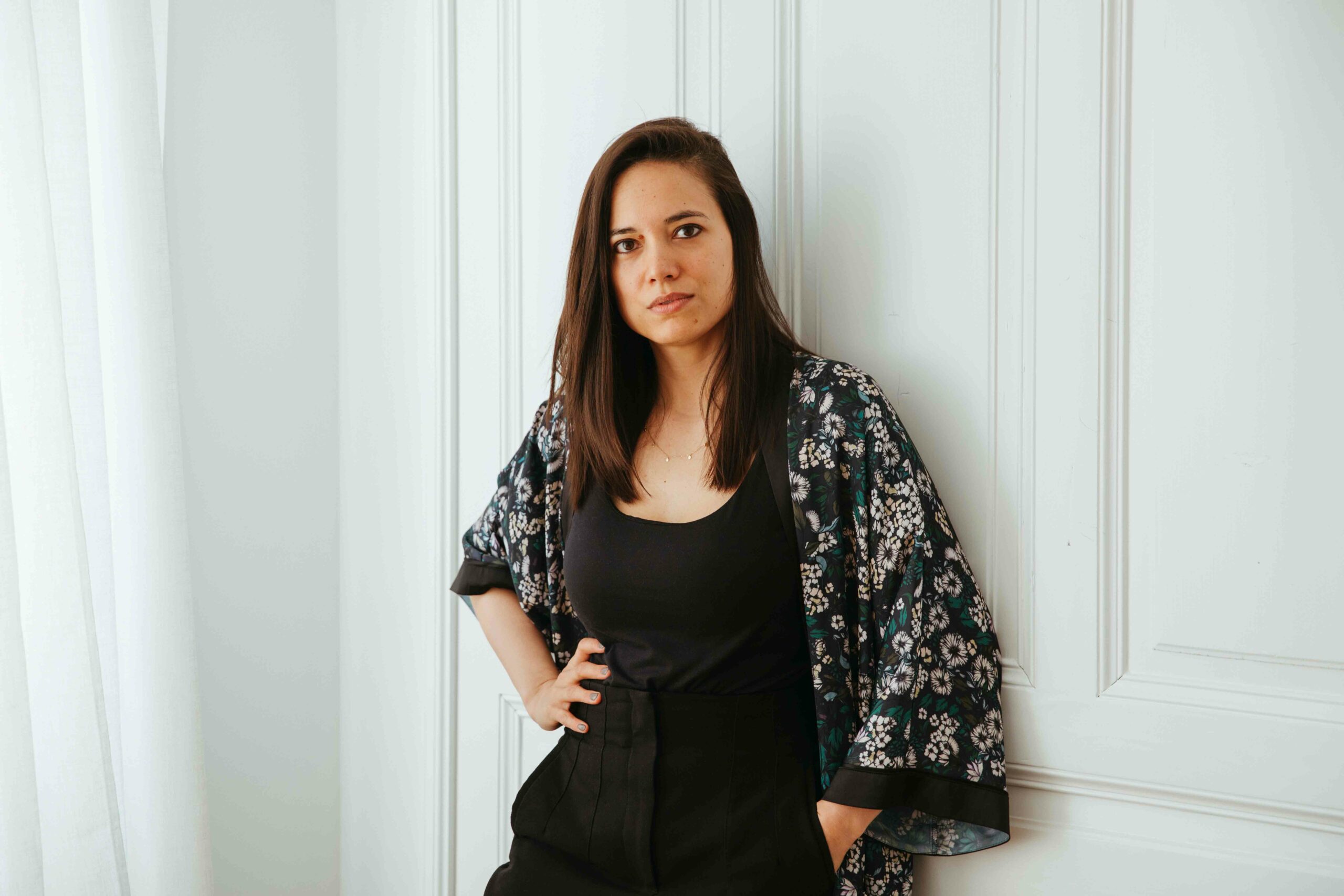
Laura is an experienced physiotherapist specialising in the development and implementation of active therapy plans. She works closely with you as a patient to create individual exercise programmes tailored specifically to your needs.
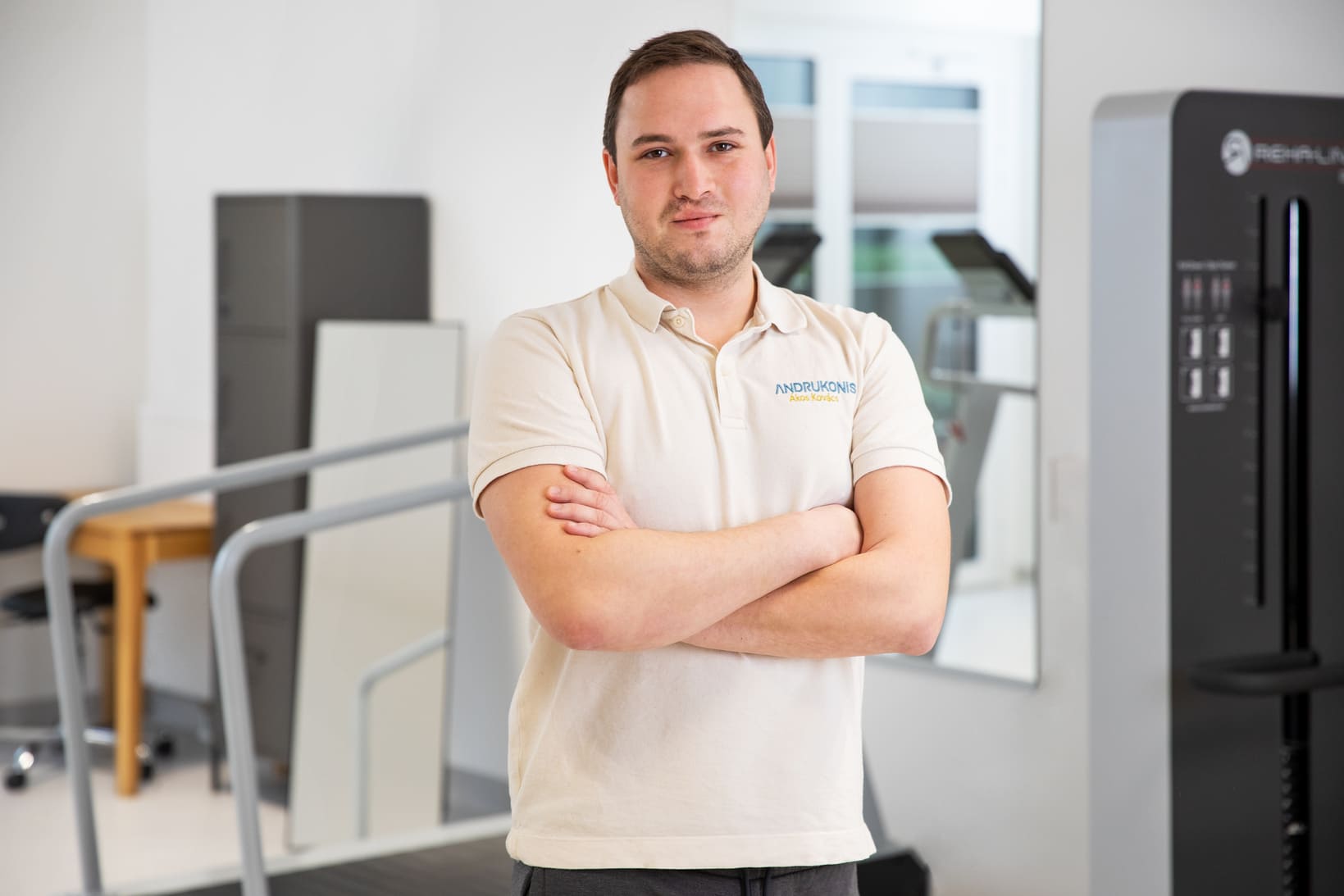
Ákos is the leader of our therapy team and an experienced physiotherapist. He brings extensive knowledge of the classification and assessment of tinnitus symptoms and recognises critical warning signs at an early stage. Ákos uses a wide range of methods to promote the physical and mental health of his patients.
The many positive reviews we receive are evidence of our commitment to always providing first-class treatments and responding specifically to the needs of our patients.
We are pleased to see that our patients recognise our dedication and careful attention and show this through their valuable feedback.


Gepostet auf Google
 Martin Wro
Trustindex überprüft, ob die Originalquelle der Bewertung Google ist.
Sehr zufrieden!Gepostet auf Google Andreas PflockDas Andrukonis-Team (Spallartgasse) hat definitiv meinen einwöchigen Wien-Aufenthalt gerettet. Gute Erstorientierung über die Website mit Terminsuche, sehr freundliches Telefonat und drei Stunden später der erste Termin, um eine üble Blockade im Iliosakralglenk zu lösen. Auch vor Ort ein sehr freundlicher Empfang und anschließend eine Behandlung mit sorgfältiger Anamnese und wohltuenden Griffen in angenehmer Atmosphäre. Schon nach dem ersten Termin war die Blockade des Ischiasnervs deutlich gelockert. Nach einem zweiten Termin war ich wieder blockadefrei. Danke an die Praxis für die freundliche Aufnahme und an Natalia für die Behandlung, die meinen Urlaub gerettet hat. Wäre die Distanz nicht so groß, würde ich jederzeit gerne wiederkommen.Gepostet auf Google
 Begüm Cakin⭐⭐⭐⭐⭐ Ich war vor einigen Monaten im Institut Andrukonis zur manuellen Lymphdrainage und kann dieses Institut uneingeschränkt weiterempfehlen. Vom ersten Moment an habe ich mich dort sehr wohl und herzlich willkommen gefühlt. Das gesamte Team ist ausgesprochen freundlich, aufmerksam und professionell. Man merkt sofort, dass hier mit viel Menschlichkeit und Engagement gearbeitet wird. Mehrmals wurde ich von meiner fünfjährigen Tochter begleitet. Auch sie wurde jedes Mal mit großer Herzlichkeit aufgenommen, was für uns beide sehr angenehm war. Diese warme und familiäre Atmosphäre ist etwas ganz Besonderes. Die manuelle Lymphdrainage hat mir sehr gutgetan, und ich habe mich nach den Behandlungen deutlich besser gefühlt. Ich wurde stets kompetent beraten und hervorragend betreut. Ein großes Dankeschön an das gesamte Team von Andrukonis für die liebevolle Betreuung und die angenehme Atmosphäre. Ich habe mich jederzeit bestens aufgehoben gefühlt und komme gerne wieder. Absolute Empfehlung für alle, die eine professionelle Behandlung mit Herz suchen! ⭐⭐⭐⭐⭐Gepostet auf Google
 Andrea SchneiderLaura und Ines sind super tolle und kompetente Physiotherapeutinnen.Gepostet auf Google
 Oscar Diaz UrbanoAlle sind sehr nett und gute Fachleute. Der Ort ist schön und groß. Ich habe mich dort sehr wohl gefühlt. Ich empfehle ihn gerne weiter.Gepostet auf Google
 Viktor KlieschIch kann die Praxis ANDRUKONIS und besonders Dr. Shaabani nur wärmstens empfehlen. Vom ersten Moment an fühlt man sich bestens aufgehoben und professionell betreut. Dr. Shaabani nimmt sich viel Zeit, erklärt die Behandlung verständlich und überzeugt mit großer Kompetenz sowie Menschlichkeit – in meinem Fall bei einer Stoßwellentherapie für eine verkalkte und schmerzhafte Schulter. Auch das gesamte Ordinationsteam ist außergewöhnlich freundlich, hilfsbereit und zuvorkommend. Eine Praxis, in der man sich als Patient wirklich wohl, ernst genommen und bestens betreut fühlt.Gepostet auf Google
 Christine PreisingerSehr freundliches, hilfsbreites Team!Gepostet auf Google
 sz. sommerDas Personal ist sehr gut und professionell. Die Therapeutin hat die kranke Stelle sofort erkannt und erfolgreich behandelt.
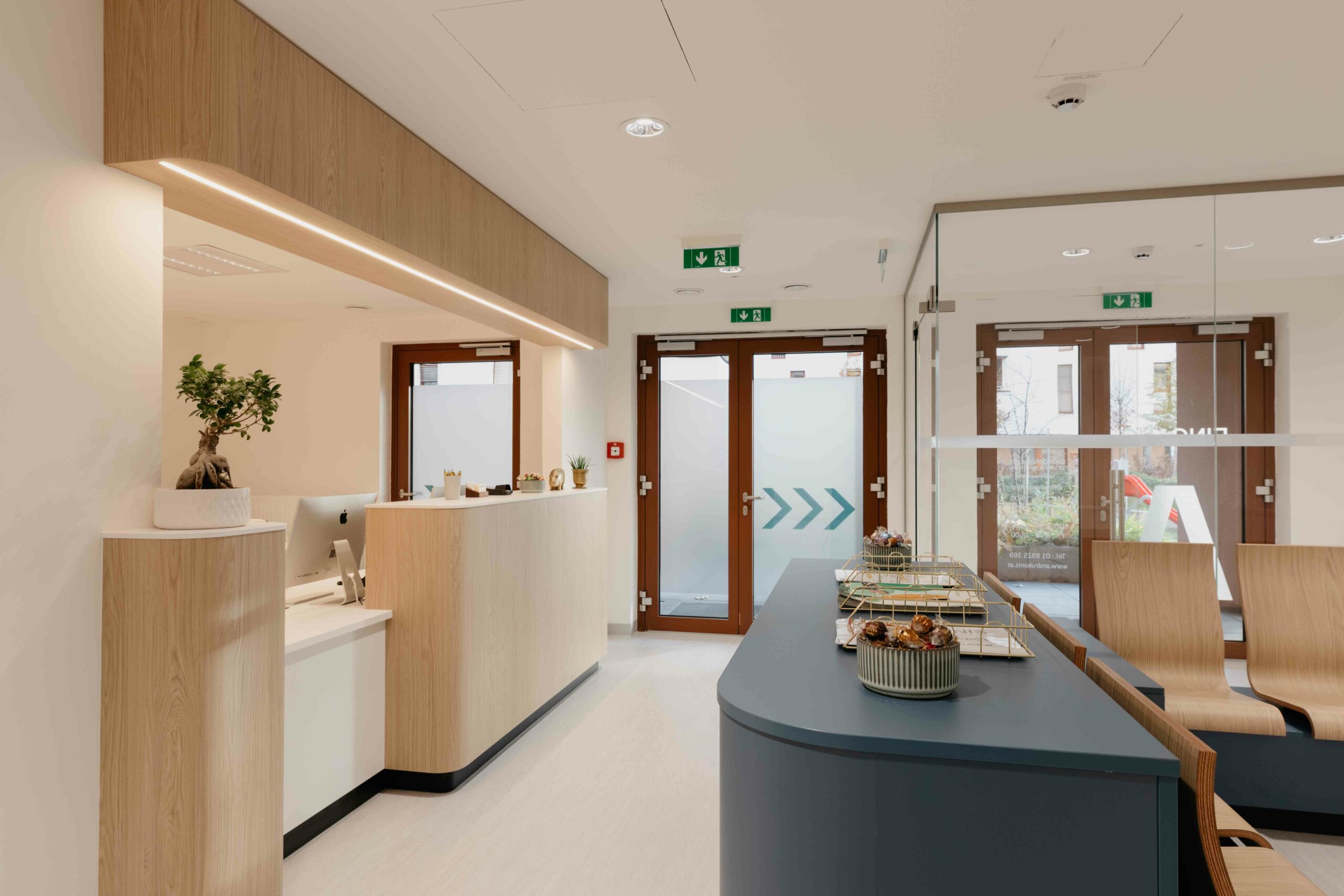

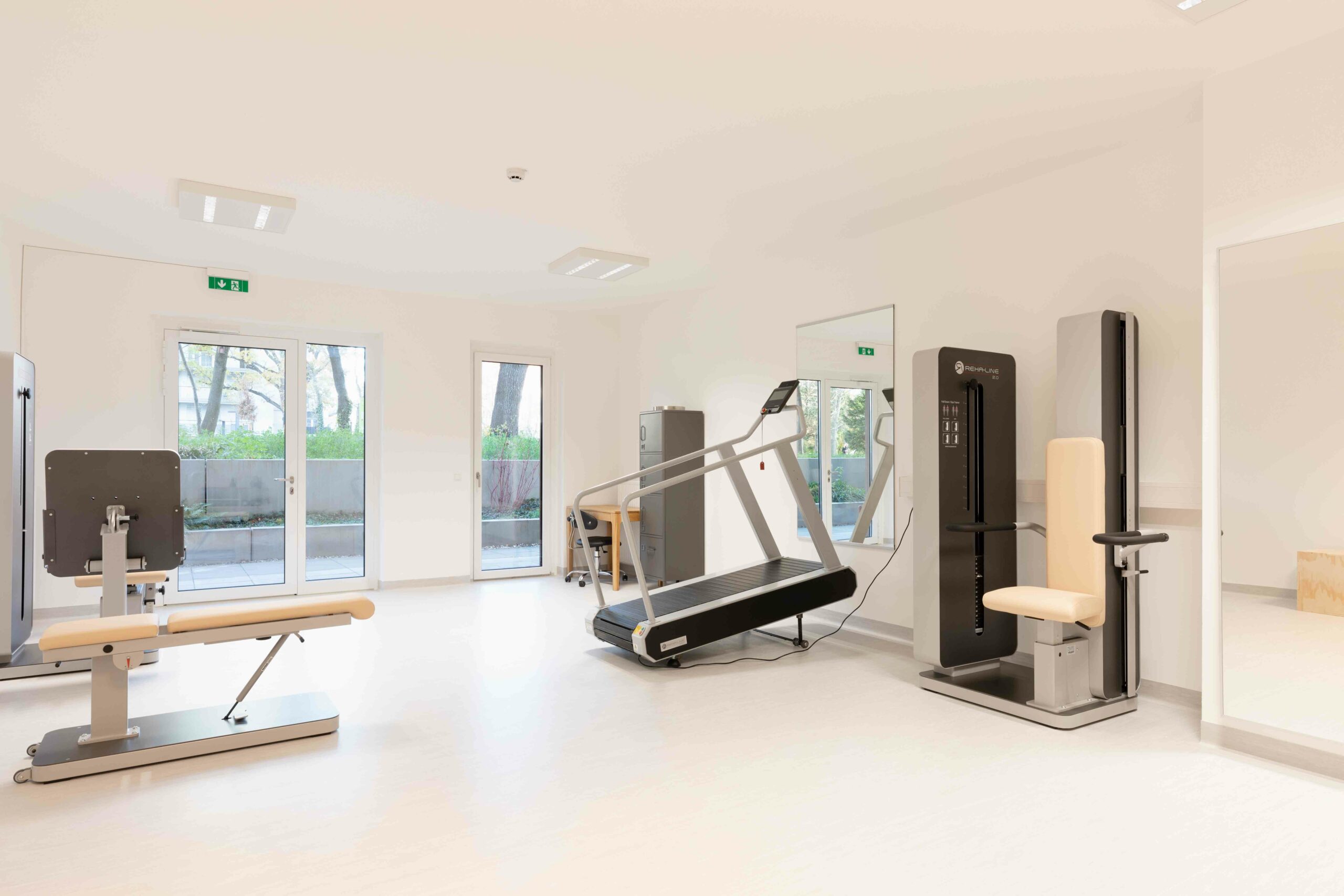
Our practice in 1140 Vienna recently moved to Spallartgasse 19, where we now have more space and an expanded range of services.
In addition to physiotherapy, we now also offer you specialised orthopaedic and neurological treatments.
The modern, barrier-free ground-floor premises are equipped with the latest medical technology and ensure comprehensive orthopaedic and neurological care.
The cost of tinnitus therapy varies depending on the type and duration of the treatment.
At ANDRUKONIS this therapy is carried out by specially trained physiotherapists with extensive further training and experience.
Prices are made up of the individual therapy units, the duration of the treatment and your specific needs as a patient:
As a rule, a session can cost between 160 € and 135 € depending on the duration of the treatment.
At ANDRUKONIS we recommend a 60-minute session for the first appointment, so that there is enough time for an initial case history and treatment. Everything else you discuss with your physiotherapist.
Physiotherapy is an effective primary form of therapy for tinnitus, particularly where problems of the cervical spine or the jaw area are involved.
Manual therapy, mobilisation techniques and targeted exercises release tension and can relieve your symptoms.
In addition, relaxation and mindfulness exercises help you to avoid stress-related aggravation.
An individually tailored therapy that combines active and passive measures is essential for the success of the treatment and for improving your quality of life.
Tinnitus refers to the perception of sounds in the ears or head without an external sound source.
As someone affected, you often hear a ringing, buzzing, whistling or humming. These sounds can be continuous or intermittent and vary in volume.
Tinnitus can be triggered by external factors such as noise exposure as well as by internal causes such as stress, circulatory disorders or conditions of the cervical spine and the temporomandibular joint, as well as neurological conditions.
There are two main forms:
Acute tinnitus occurs suddenly and temporarily, while chronic tinnitus lasts longer than three months and can represent a permanent burden for you.
Tinnitus can be triggered by a variety of causes:
In addition, metabolic disorders, cardiovascular problems and hormonal imbalances can play a role.
Sometimes the cause remains unclear, which is referred to as “idiopathic tinnitus”.
In any case, an accurate diagnosis of your symptoms is important in order to find suitable treatment options for you.
Tinnitus is widespread in Austria: estimates suggest that around 10 to 15 percent of the population suffer from ringing in the ears, which corresponds to roughly 900,000 to 1.35 million people. These figures include both acute and chronic cases.
Chronic tinnitus, in which the sounds persist for longer than three months, affects around 1 to 2 percent of the population and significantly impairs quality of life.
Older people are particularly affected, as the frequency increases with age.
Tinnitus is therefore a common and serious hearing disorder in Austria as well.
Acute tinnitus occurs suddenly and lasts less than three months. It can be triggered by noise exposure, stress, infections or injuries.
The treatment aims to address the underlying cause and to support your healing process.
Typical treatment approaches include medication to promote circulation or cortisone to reduce inflammation. Rest and stress reduction are also important.
Chronic tinnitus lasts longer than three months and is often more difficult to treat.
Here the focus of therapy is on managing your symptoms, as a complete cure is rare.
Treatment approaches include cognitive behavioural therapy, tinnitus retraining therapy, physiotherapy where the causes are muscular, a neurological assessment where this is suspected, and the use of hearing aids or maskers that cover the sound in your ear.
Relaxation exercises and mindfulness techniques also play an important role in making it easier for you to cope with the symptoms and in improving your quality of life.
The cost of tinnitus therapy varies considerably depending on the type and scope of the treatment. Individual physiotherapy sessions can cost between 160 € and 135 €. Psychotherapeutic approaches or specialised tinnitus retraining therapies can be higher, often in the range of several hundred euros per session or course.
In Austria, statutory health insurers generally cover the costs of medical treatments, including medication and certain therapies such as physiotherapy and hearing aid provision. Psychotherapeutic treatments and specialised tinnitus retraining therapies can be covered in part or in full, depending on the specific insurer and the necessity of the therapy.
The treatment of tinnitus depends on the cause. For acute tinnitus, medication to promote circulation or cortisone can help. Rest and stress reduction are also important. For chronic tinnitus the focus is on managing the symptoms, including cognitive behavioural therapy, tinnitus retraining therapy, a neurological assessment where this is suspected, hearing aids and relaxation techniques. There is no universal cure, but a combination of treatments can relieve your symptoms.
With persistent tinnitus, various approaches can help you to relieve your symptoms and improve your quality of life. These include cognitive behavioural therapy, tinnitus retraining therapy, a neurological assessment where this is suspected, physiotherapy where the causes are muscular, and hearing aids or maskers that cover the sound.
Relaxation exercises and mindfulness techniques can also be helpful. Individual therapy planning is crucial in order to achieve the best results for you.