

Experience how targeted movements and postures can improve your well-being. Contact us for a personal consultation.


Schroth therapy is a specialised physiotherapeutic method for treating scoliosis and other curvatures of the spine.
This therapy is based on specific exercises aimed at the three-dimensional correction of the spine. It includes breathing techniques, postural improvement and muscle strengthening in order to reduce the spinal curvature and slow the progression of the scoliosis.
At ANDRUKONIS you also benefit as a patient from the close interdisciplinary cooperation between our physiotherapists and orthopaedic specialists. This direct professional exchange enables a precise diagnosis, individually tailored treatment planning and continuous adjustment of your treatments.
Our modern, well-equipped practice rooms offer ideal conditions for your Schroth therapy, with plenty of space, specialised training equipment and a calm atmosphere that supports you in working with concentration on posture and movement coordination.
We are proud of the positive customer feedback on our Schroth therapy, which reflects our dedication and effectiveness in the treatment of scoliosis.
This underlines our commitment to offering individually tailored therapeutic approaches that not only relieve symptoms but also contribute to improving our patients‘ quality of life in the long term.
Gepostet auf Google
 Martin Wro
Trustindex überprüft, ob die Originalquelle der Bewertung Google ist.
Sehr zufrieden!Gepostet auf Google Andreas PflockDas Andrukonis-Team (Spallartgasse) hat definitiv meinen einwöchigen Wien-Aufenthalt gerettet. Gute Erstorientierung über die Website mit Terminsuche, sehr freundliches Telefonat und drei Stunden später der erste Termin, um eine üble Blockade im Iliosakralglenk zu lösen. Auch vor Ort ein sehr freundlicher Empfang und anschließend eine Behandlung mit sorgfältiger Anamnese und wohltuenden Griffen in angenehmer Atmosphäre. Schon nach dem ersten Termin war die Blockade des Ischiasnervs deutlich gelockert. Nach einem zweiten Termin war ich wieder blockadefrei. Danke an die Praxis für die freundliche Aufnahme und an Natalia für die Behandlung, die meinen Urlaub gerettet hat. Wäre die Distanz nicht so groß, würde ich jederzeit gerne wiederkommen.Gepostet auf Google
 Begüm Cakin⭐⭐⭐⭐⭐ Ich war vor einigen Monaten im Institut Andrukonis zur manuellen Lymphdrainage und kann dieses Institut uneingeschränkt weiterempfehlen. Vom ersten Moment an habe ich mich dort sehr wohl und herzlich willkommen gefühlt. Das gesamte Team ist ausgesprochen freundlich, aufmerksam und professionell. Man merkt sofort, dass hier mit viel Menschlichkeit und Engagement gearbeitet wird. Mehrmals wurde ich von meiner fünfjährigen Tochter begleitet. Auch sie wurde jedes Mal mit großer Herzlichkeit aufgenommen, was für uns beide sehr angenehm war. Diese warme und familiäre Atmosphäre ist etwas ganz Besonderes. Die manuelle Lymphdrainage hat mir sehr gutgetan, und ich habe mich nach den Behandlungen deutlich besser gefühlt. Ich wurde stets kompetent beraten und hervorragend betreut. Ein großes Dankeschön an das gesamte Team von Andrukonis für die liebevolle Betreuung und die angenehme Atmosphäre. Ich habe mich jederzeit bestens aufgehoben gefühlt und komme gerne wieder. Absolute Empfehlung für alle, die eine professionelle Behandlung mit Herz suchen! ⭐⭐⭐⭐⭐Gepostet auf Google
 Andrea SchneiderLaura und Ines sind super tolle und kompetente Physiotherapeutinnen.Gepostet auf Google
 Oscar Diaz UrbanoAlle sind sehr nett und gute Fachleute. Der Ort ist schön und groß. Ich habe mich dort sehr wohl gefühlt. Ich empfehle ihn gerne weiter.Gepostet auf Google
 Viktor KlieschIch kann die Praxis ANDRUKONIS und besonders Dr. Shaabani nur wärmstens empfehlen. Vom ersten Moment an fühlt man sich bestens aufgehoben und professionell betreut. Dr. Shaabani nimmt sich viel Zeit, erklärt die Behandlung verständlich und überzeugt mit großer Kompetenz sowie Menschlichkeit – in meinem Fall bei einer Stoßwellentherapie für eine verkalkte und schmerzhafte Schulter. Auch das gesamte Ordinationsteam ist außergewöhnlich freundlich, hilfsbereit und zuvorkommend. Eine Praxis, in der man sich als Patient wirklich wohl, ernst genommen und bestens betreut fühlt.Gepostet auf Google
 Christine PreisingerSehr freundliches, hilfsbreites Team!Gepostet auf Google
 sz. sommerDas Personal ist sehr gut und professionell. Die Therapeutin hat die kranke Stelle sofort erkannt und erfolgreich behandelt.
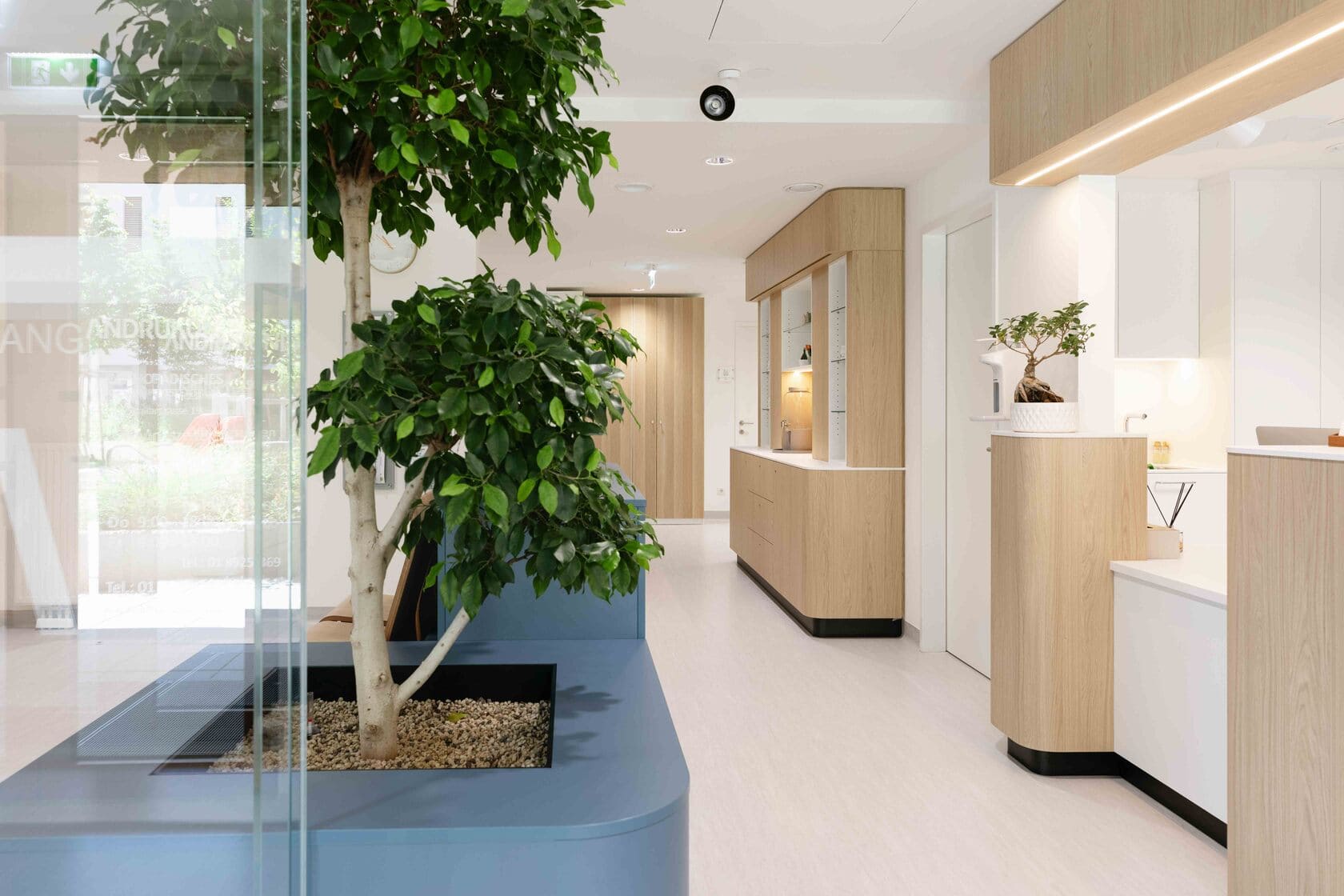

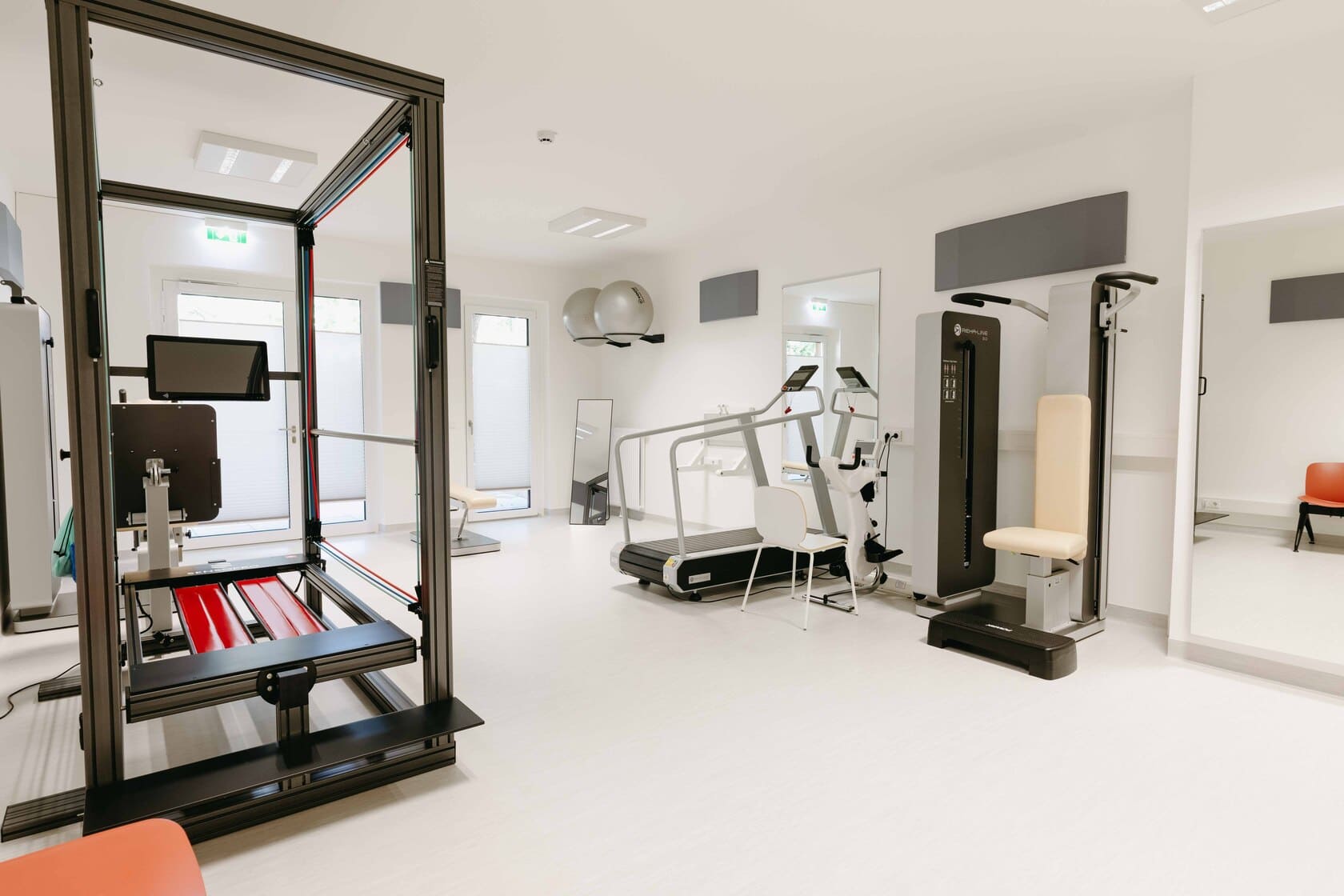
Our practice in 1140 Vienna, specialising in the treatment of orthopaedic conditions, also offers Schroth therapy for scoliosis patients.
As scoliosis specialists in Vienna, our team members have comprehensive training in Schroth therapy and extensive knowledge of the anatomy of the human spine.
They are thoroughly familiar with the physiological posture of the human body. We guarantee you individual care and effective therapeutic approaches.
The spine is one of the most complex structures of the musculoskeletal system and demands a high degree of understanding, empathy and professional expertise from the therapist.
Preparing and following up the therapy also takes time and is essential in order to ensure you the best possible therapeutic outcome.
Our aim is to offer you the best possible treatment. In doing so we consider not only the quality of the therapy itself but also careful preparation and aftercare.
At ANDRUKONIS Physiotherapy the treatment process for Schroth therapy is carefully designed to address your specific needs.
The therapy begins with a comprehensive case history in order to gain a deep understanding of your individual situation.
Building on this, the question „How does Schroth therapy work?“ is answered in practical terms: it is a specialised form of physiotherapybased on asymmetrical postural and movement exercises that specifically address the curvature of the spine.
Your treatment plan is tailored to you:
Your physiotherapist guides you through a series of exercises aimed at correcting the position of your spine and improving your muscular balance. These exercises are carefully selected for you and adapted to your condition in order to ensure maximum effectiveness.
Regular assessments and adjustments to your therapy plan are crucial in order to monitor your progress and continuously optimise your treatment.

The Schroth therapy is recommended as soon as scoliosis is diagnosed, regardless of age or progression.
Ideally it begins in childhood or adolescence, since the spine is then still growing and therefore more malleable. Even with mild curvatures (from around a 10-degree Cobb angle) the therapy can already be worthwhile in order to prevent your posture from deteriorating.
In adults, the therapy focuses on relieving pain and slowing the progression of the condition.
As a general rule: the earlier Schroth therapy is started, the more effectively the progression of your scoliosis can be influenced.
Scoliosis is a sideways curvature of the spine, usually accompanied by a rotation of the vertebrae.
Schroth therapy is a specialised physiotherapeutic treatment method, particularly if you suffer from scoliosis.
It is based on targeted exercises to reduce the curvature of the spine and improve your posture.
This holistic approach can relieve your pain, improve your posture and contribute in the long term to stabilising the curvature of your spine.
You should bring comfortable clothing such as sportswear and non-slip socks or trainers to the treatment, and if you have them, your personal orthopaedic aids such as your brace.
The frequency of physiotherapy for scoliosis varies from person to person. Usually you start with 1–2 sessions per week. Depending on the severity of your scoliosis, your progress and your individual needs, the frequency can be adjusted. Regular assessments by your physiotherapist help to determine the optimal treatment plan for you.
The duration of scoliosis treatment depends on factors such as the severity of the scoliosis, your age and how you respond to therapy. Physiotherapy usually extends over several months to years. Regular evaluations by your physiotherapist are important in order to monitor your progress and adjust your therapy plan accordingly.
Complete regression of scoliosis is rare, particularly in advanced cases. However, the right treatment, including physiotherapy and special exercises, can slow the progression of your scoliosis and in some cases reduce the curvature, which leads to an improvement in your symptoms and quality of life.
With scoliosis you should avoid extreme loads on the spine, such as heavy lifting or high-intensity twisting movements. Sports with asymmetrical loading or a high risk of injury should be practised with caution or adapted where necessary. Individual advice from a specialist is advisable in order to determine suitable activities.