

Electrotherapy is an innovative form of treatment that relieves your pain with targeted electrical impulses and promotes healing. Electrotherapy is ideal for you if you are looking for a non-invasive solution to your complaints.


Electrotherapy is a medical treatment method in which electrical current is used to relieve pain, stimulate muscle activity and support healing.
The core of electrotherapy is based on the use of different forms of current, tailored individually to your needs and state of health. Some techniques use gentle electrical currents to relieve pain and interrupt pain signals. Other methods focus on the electrical stimulation of your muscles in order to increase muscle strength or to rehabilitate muscle function after injuries or operations. These varied applications make electrotherapy a flexible and effective tool in modern medical practice.
Electrotherapy begins with a thorough case history and examination. The therapist determines your specific complaints and state of health in order to select the appropriate form of electrotherapy. Once the treatment has been decided, the therapist explains the procedure and the sensations you may experience.
The patient takes up a comfortable position, usually lying down or seated. The therapist places electrodes on the skin in the area to be treated. These electrodes are connected to a device that generates electrical impulses. The intensity and frequency of the current are adjusted individually in order to achieve optimal results while keeping the patient comfortable.
During the treatment the patient may feel a tingling sensation or slight twitching of the muscles. The duration of an electrotherapy session varies, but is often between 10 and 30 minutes. After the session the therapist removes the electrodes and discusses how the patient feels as well as the next steps in the treatment plan. Patients can usually resume their normal activities immediately after the session.



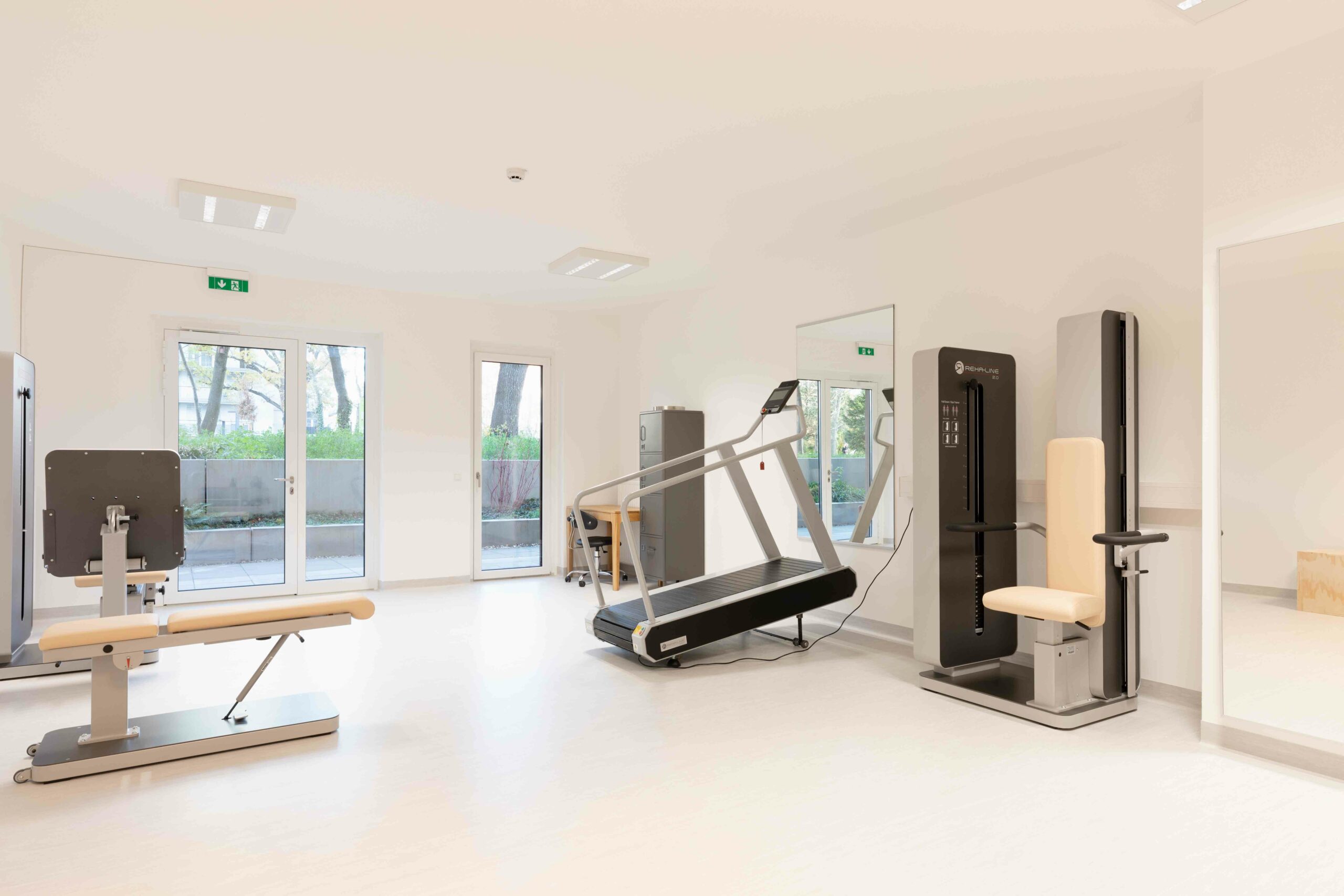
Our barrier-free shared practice at Spallartgasse 19 in Breitensee, Vienna’s 14th district, is just a four-minute walk from the U3 station Hütteldorfer Straße.
The practice has step-free, barrier-free access and offers bright, modern treatment rooms. In our welcoming waiting area with its relaxed atmosphere you can feel at ease before making use of our comprehensive range of orthopaedic and physiotherapy services.
The positive feedback from our clients underlines the outstanding effectiveness of our electrotherapy and highlights the professional approach of our therapists.
This feedback is evidence of our commitment to providing specialised, individually tailored treatments that make a decisive contribution to relieving pain and promoting the general well-being of our patients.





Gepostet auf Google
 Martin Wro
Trustindex überprüft, ob die Originalquelle der Bewertung Google ist.
Sehr zufrieden!Gepostet auf Google Andreas PflockDas Andrukonis-Team (Spallartgasse) hat definitiv meinen einwöchigen Wien-Aufenthalt gerettet. Gute Erstorientierung über die Website mit Terminsuche, sehr freundliches Telefonat und drei Stunden später der erste Termin, um eine üble Blockade im Iliosakralglenk zu lösen. Auch vor Ort ein sehr freundlicher Empfang und anschließend eine Behandlung mit sorgfältiger Anamnese und wohltuenden Griffen in angenehmer Atmosphäre. Schon nach dem ersten Termin war die Blockade des Ischiasnervs deutlich gelockert. Nach einem zweiten Termin war ich wieder blockadefrei. Danke an die Praxis für die freundliche Aufnahme und an Natalia für die Behandlung, die meinen Urlaub gerettet hat. Wäre die Distanz nicht so groß, würde ich jederzeit gerne wiederkommen.Gepostet auf Google
 Begüm Cakin⭐⭐⭐⭐⭐ Ich war vor einigen Monaten im Institut Andrukonis zur manuellen Lymphdrainage und kann dieses Institut uneingeschränkt weiterempfehlen. Vom ersten Moment an habe ich mich dort sehr wohl und herzlich willkommen gefühlt. Das gesamte Team ist ausgesprochen freundlich, aufmerksam und professionell. Man merkt sofort, dass hier mit viel Menschlichkeit und Engagement gearbeitet wird. Mehrmals wurde ich von meiner fünfjährigen Tochter begleitet. Auch sie wurde jedes Mal mit großer Herzlichkeit aufgenommen, was für uns beide sehr angenehm war. Diese warme und familiäre Atmosphäre ist etwas ganz Besonderes. Die manuelle Lymphdrainage hat mir sehr gutgetan, und ich habe mich nach den Behandlungen deutlich besser gefühlt. Ich wurde stets kompetent beraten und hervorragend betreut. Ein großes Dankeschön an das gesamte Team von Andrukonis für die liebevolle Betreuung und die angenehme Atmosphäre. Ich habe mich jederzeit bestens aufgehoben gefühlt und komme gerne wieder. Absolute Empfehlung für alle, die eine professionelle Behandlung mit Herz suchen! ⭐⭐⭐⭐⭐Gepostet auf Google
 Andrea SchneiderLaura und Ines sind super tolle und kompetente Physiotherapeutinnen.Gepostet auf Google
 Oscar Diaz UrbanoAlle sind sehr nett und gute Fachleute. Der Ort ist schön und groß. Ich habe mich dort sehr wohl gefühlt. Ich empfehle ihn gerne weiter.Gepostet auf Google
 Viktor KlieschIch kann die Praxis ANDRUKONIS und besonders Dr. Shaabani nur wärmstens empfehlen. Vom ersten Moment an fühlt man sich bestens aufgehoben und professionell betreut. Dr. Shaabani nimmt sich viel Zeit, erklärt die Behandlung verständlich und überzeugt mit großer Kompetenz sowie Menschlichkeit – in meinem Fall bei einer Stoßwellentherapie für eine verkalkte und schmerzhafte Schulter. Auch das gesamte Ordinationsteam ist außergewöhnlich freundlich, hilfsbereit und zuvorkommend. Eine Praxis, in der man sich als Patient wirklich wohl, ernst genommen und bestens betreut fühlt.Gepostet auf Google
 Christine PreisingerSehr freundliches, hilfsbreites Team!Gepostet auf Google
 sz. sommerDas Personal ist sehr gut und professionell. Die Therapeutin hat die kranke Stelle sofort erkannt und erfolgreich behandelt.
Electrotherapy is a medical treatment method in which electrical current is used to relieve pain, stimulate muscle activity and support healing.
The core of electrotherapy is based on the use of different forms of current, tailored individually to your needs and state of health. Some techniques use gentle electrical currents to relieve pain and interrupt pain signals. Other methods focus on electrical muscle stimulation in order to increase muscle strength or to rehabilitate muscle function after injuries or operations. These varied applications make electrotherapy a flexible and effective tool for you in modern medical practice.
Electrotherapy is widely used in medicine, especially in physiotherapy and rehabilitation, and is used for a range of therapeutic purposes.
The main areas of application of this treatment method include:
Through the use of electrical currents for therapeutic purposes, electrotherapy offers a range of positive effects on the human body:
Increasing tissue elasticity:
Electrotherapy can help to loosen tissue, which is useful for tension, stiffness and scar tissue.
When carried out professionally, electrotherapy is considered safe. Nevertheless, side effects may occur that should be taken into account:
Contraindications for electrotherapy:
You should not undergo electrotherapy during pregnancy, in order to protect the unborn child.
Electrotherapy is likewise not advisable in conditions such as:
– cancer
– skin conditions
– infections in the treatment area
ANDRUKONIS Physiotherapy stands for reliable therapeutic approaches based on scientifically sound methods, to ensure the best possible results for you.
Effective time management is important to us, so that every treatment starts and ends exactly at the scheduled time, guaranteeing you the highest possible effectiveness.
Our team consists of first-class trained physiotherapists who stand out through continuous further training and their empathetic manner.
Electrotherapy comprises various treatment methods that use electrical energy to relieve pain, improve muscle and nerve function and promote healing.
These techniques vary according to the area of application and your needs as a patient.
Direct current therapy, also known as galvanic therapy, is a form of electrotherapy in which a constant, unidirectional current (direct current) is used for therapeutic purposes. The effects and physiological processes triggered by this form of therapy are varied:
Low-frequency therapy uses electrical current with a low frequency (up to around 1000 Hz) to achieve various therapeutic effects. As with direct current therapy, low-frequency therapy aims to relieve pain, improve muscle function and support the healing process, but differs in some specific mechanisms and applications.
Medium-frequency therapy differs from low-frequency therapy in the frequency of the current used. Medium-frequency therapy uses current frequencies in the range of roughly 1000 to 10,000 Hz. These higher frequencies have particular physiological effects and areas of application that differ from low-frequency therapy.
High-frequency therapy uses electrical current with even higher frequencies than medium-frequency therapy, typically above 100,000 Hz. This high frequency brings unique physiological effects and specific areas of application that differ from those of low- and medium-frequency therapy.
For an electrotherapy treatment it is advisable to wear comfortable clothing and to bring your current medical prescription or relevant medical documents. If you have particular requirements or questions, please contact your therapist in advance.
After electrotherapy it is important to drink enough water to stay hydrated, to avoid physical exertion and to watch out for any skin reactions. If you experience pain or unusual symptoms, contact your treating therapist or doctor immediately.
The frequency of electrotherapy depends on the individual treatment plan and the type of complaint. Usually 1–3 sessions per week are recommended. However, the exact frequency should always be agreed with your treating therapist or doctor.
Electrotherapy must not be used in people with pacemakers, during pregnancy, or in cases of cancer, thrombosis, acute infections, skin conditions in the treatment area, and in people with epilepsy or other serious neurological conditions.
Electrotherapy can be beneficial to health when used in a targeted and professional way to treat specific medical conditions. It can relieve pain, strengthen muscles and support healing processes, but should always be carried out under professional supervision.
The duration of an electrotherapy session varies depending on the treatment goal and method, but is typically between 10 and 30 minutes. The exact treatment time is determined individually by the therapist based on the specific medical indication.