
How targeted breathing exercises can influence body and mind!

Breathing therapy is a form of physiotherapy treatment that focuses on improving respiratory function and breathing technique.
It is used to help patients with respiratory diseases or those who have breathing problems for other reasons.
The therapy includes a range of techniques and exercises aimed at strengthening the respiratory muscles, making breathing easier, removing mucus from the airways and improving overall lung capacity and efficiency.
Breathing therapy can reduce stress and anxiety, increase oxygen uptake and contribute to an overall improvement in quality of life.
It is often carried out by physiotherapists or specialised respiratory therapists and is helpful for a wide range of conditions such as COPD, asthma and after surgery.
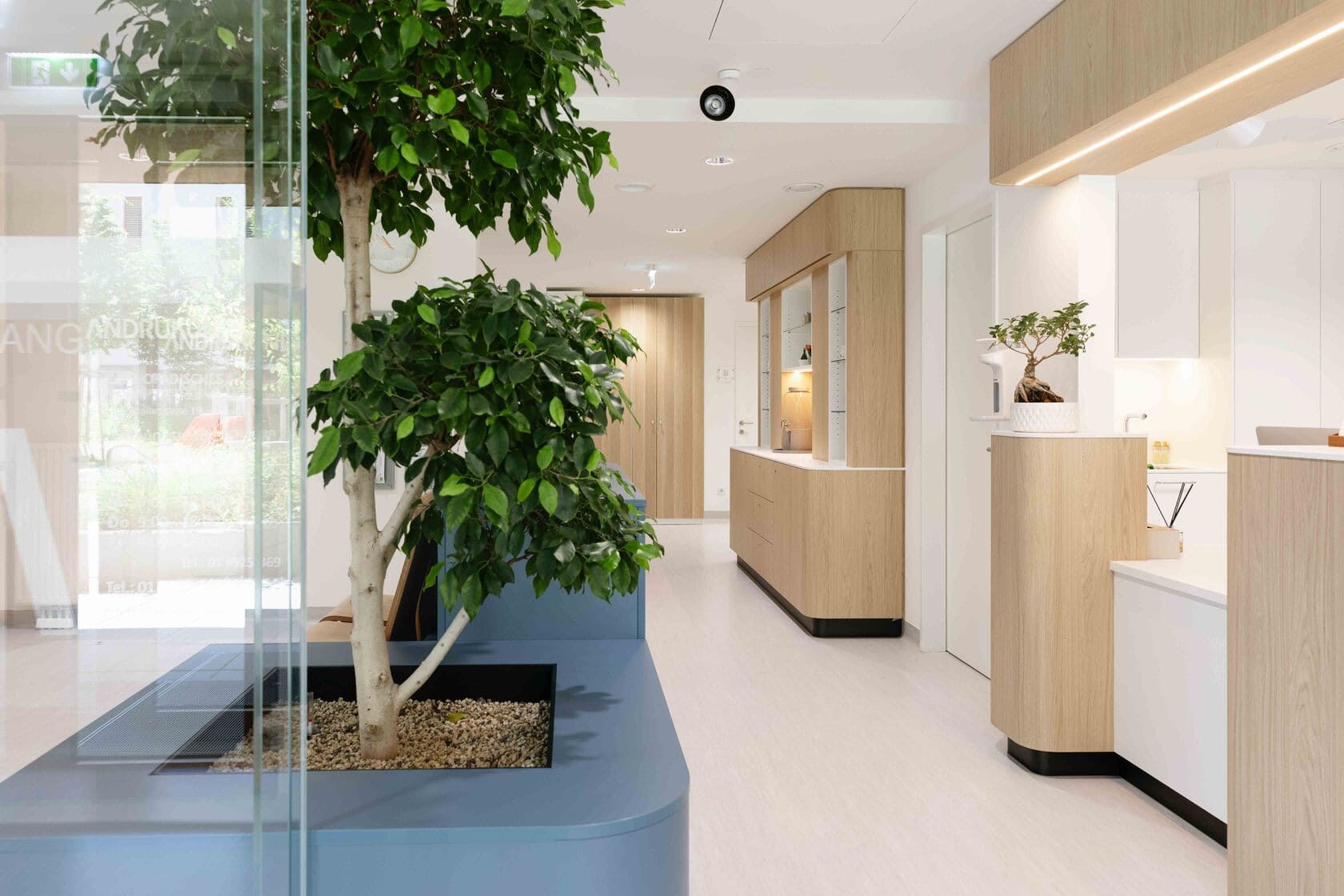
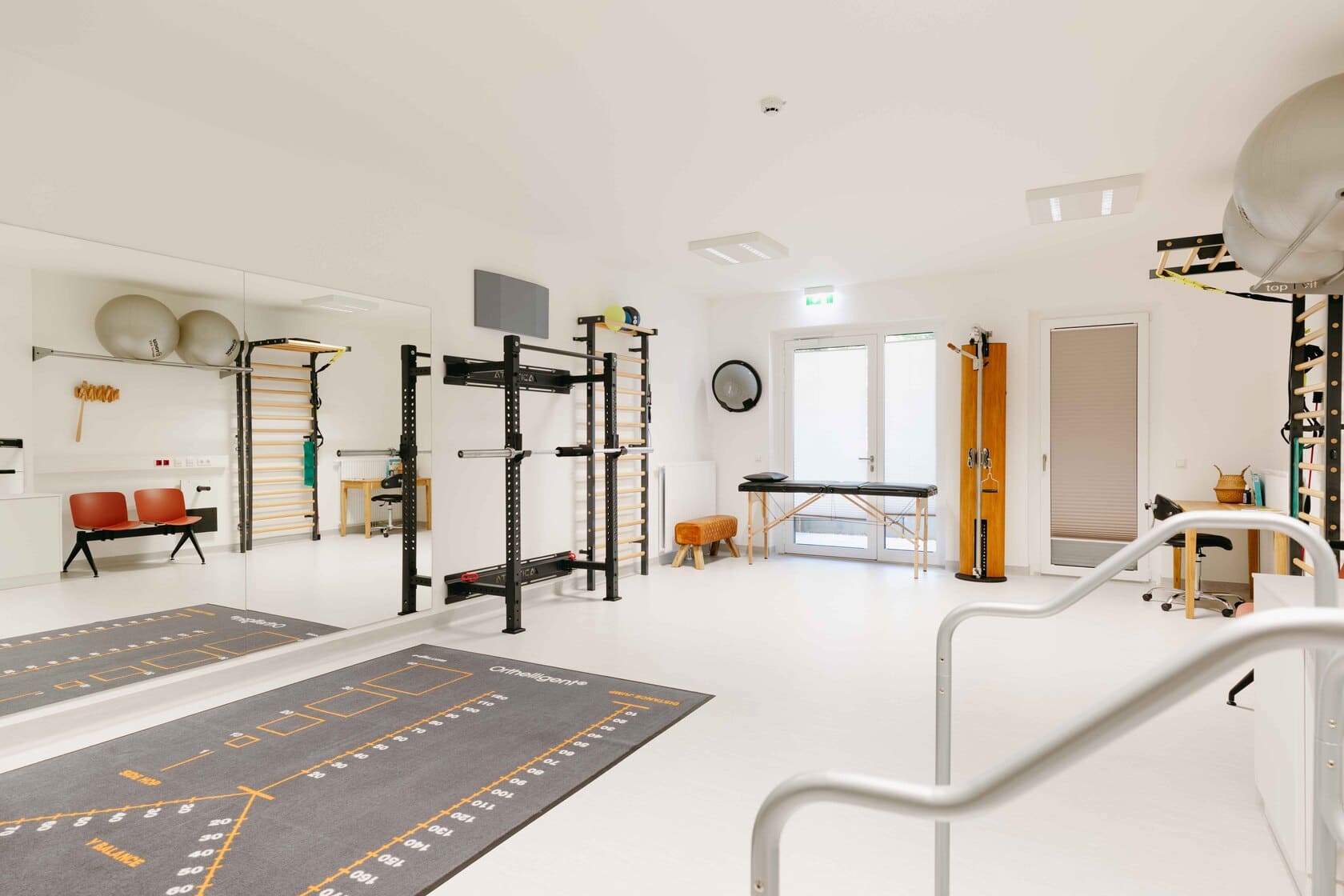

Our accessible practice is located at Spallartgasse 19/1 in Vienna’s 14th district and offers an excellent location – just 300 metres from the Hütteldorfer Straße underground station. The practice is barrier-free, and our friendly reception staff will welcome you. In our bright, modern rooms you will find a waiting area with a cosy atmosphere that invites you to relax.
The numerous positive reviews confirm the excellent quality of our breathing therapy and highlight the professional approach of our therapists.
This feedback reflects our commitment to expert, tailor-made treatments that contribute significantly to relieving complaints and improving our patients‘ well-being.


Gepostet auf Google
 Martin Wro
Trustindex überprüft, ob die Originalquelle der Bewertung Google ist.
Sehr zufrieden!Gepostet auf Google Andreas PflockDas Andrukonis-Team (Spallartgasse) hat definitiv meinen einwöchigen Wien-Aufenthalt gerettet. Gute Erstorientierung über die Website mit Terminsuche, sehr freundliches Telefonat und drei Stunden später der erste Termin, um eine üble Blockade im Iliosakralglenk zu lösen. Auch vor Ort ein sehr freundlicher Empfang und anschließend eine Behandlung mit sorgfältiger Anamnese und wohltuenden Griffen in angenehmer Atmosphäre. Schon nach dem ersten Termin war die Blockade des Ischiasnervs deutlich gelockert. Nach einem zweiten Termin war ich wieder blockadefrei. Danke an die Praxis für die freundliche Aufnahme und an Natalia für die Behandlung, die meinen Urlaub gerettet hat. Wäre die Distanz nicht so groß, würde ich jederzeit gerne wiederkommen.Gepostet auf Google
 Begüm Cakin⭐⭐⭐⭐⭐ Ich war vor einigen Monaten im Institut Andrukonis zur manuellen Lymphdrainage und kann dieses Institut uneingeschränkt weiterempfehlen. Vom ersten Moment an habe ich mich dort sehr wohl und herzlich willkommen gefühlt. Das gesamte Team ist ausgesprochen freundlich, aufmerksam und professionell. Man merkt sofort, dass hier mit viel Menschlichkeit und Engagement gearbeitet wird. Mehrmals wurde ich von meiner fünfjährigen Tochter begleitet. Auch sie wurde jedes Mal mit großer Herzlichkeit aufgenommen, was für uns beide sehr angenehm war. Diese warme und familiäre Atmosphäre ist etwas ganz Besonderes. Die manuelle Lymphdrainage hat mir sehr gutgetan, und ich habe mich nach den Behandlungen deutlich besser gefühlt. Ich wurde stets kompetent beraten und hervorragend betreut. Ein großes Dankeschön an das gesamte Team von Andrukonis für die liebevolle Betreuung und die angenehme Atmosphäre. Ich habe mich jederzeit bestens aufgehoben gefühlt und komme gerne wieder. Absolute Empfehlung für alle, die eine professionelle Behandlung mit Herz suchen! ⭐⭐⭐⭐⭐Gepostet auf Google
 Andrea SchneiderLaura und Ines sind super tolle und kompetente Physiotherapeutinnen.Gepostet auf Google
 Oscar Diaz UrbanoAlle sind sehr nett und gute Fachleute. Der Ort ist schön und groß. Ich habe mich dort sehr wohl gefühlt. Ich empfehle ihn gerne weiter.Gepostet auf Google
 Viktor KlieschIch kann die Praxis ANDRUKONIS und besonders Dr. Shaabani nur wärmstens empfehlen. Vom ersten Moment an fühlt man sich bestens aufgehoben und professionell betreut. Dr. Shaabani nimmt sich viel Zeit, erklärt die Behandlung verständlich und überzeugt mit großer Kompetenz sowie Menschlichkeit – in meinem Fall bei einer Stoßwellentherapie für eine verkalkte und schmerzhafte Schulter. Auch das gesamte Ordinationsteam ist außergewöhnlich freundlich, hilfsbereit und zuvorkommend. Eine Praxis, in der man sich als Patient wirklich wohl, ernst genommen und bestens betreut fühlt.Gepostet auf Google
 Christine PreisingerSehr freundliches, hilfsbreites Team!Gepostet auf Google
 sz. sommerDas Personal ist sehr gut und professionell. Die Therapeutin hat die kranke Stelle sofort erkannt und erfolgreich behandelt.
ANDRUKONIS Physiotherapy stands for excellent professionalism, with experienced therapists offering state-of-the-art treatment techniques and an individual, patient-oriented approach.
ANDRUKONIS Physiotherapy stands for consistent and trustworthy treatment methods, supported by dedicated practitioners, reliability with appointments and a strong bond with our patients.
ANDRUKONIS Physiotherapy stands for distinct professional expertise, sound medical knowledge, continuous further training and specialised expertise in modern therapy methods.
The effects of breathing therapy include several aspects:


In COPD, including chronic bronchitis and emphysema, breathing therapy can help open the airways, loosen mucus and strengthen the respiratory muscles.
Conditions such as multiple sclerosis or amyotrophic lateral sclerosis (ALS), which can weaken the respiratory muscles, can benefit from breathing therapy to support breathing and maintain lung capacity.
After surgery, especially in the chest or abdominal area, breathing therapy can help prevent lung complications and restore respiratory function.
Here, breathing therapy can help improve oxygen uptake and make breathing easier.
Breathing therapy can support recovery by helping to clear the lungs and restore respiratory function.
Breathing therapy can teach asthma patients how to breathe more effectively and better control asthma attacks.
In this genetic disease, which clogs the lungs with thick, sticky mucus, breathing therapy can help mobilise the mucus and improve breathing.
Although breathing therapy alone is often not sufficient, it can be used as a supplement to strengthen the muscles and improve breathing during sleep.
In heart failure, breathing therapy can help improve breathing efficiency, which can reduce the strain on the heart.
Careful preparation is crucial before breathing therapy, while reflection and aftercare after treatment ensure a lasting effect.
Breathing therapy is a specialised form of physiotherapy that aims to improve respiratory function. It includes various techniques to open the airways, strengthen the respiratory muscles and increase the efficiency of breathing.
Breathing therapy is suitable for people with respiratory diseases such as COPD, asthma, cystic fibrosis, after chest surgery, with neuromuscular diseases and for patients recovering from pneumonia.
It improves breathing technique, makes it easier to cough up mucus, strengthens the respiratory muscles, increases oxygen uptake and can reduce stress and anxiety.
Techniques include breathing exercises, percussion and vibration massage, stretching exercises, relaxation techniques and sometimes the use of special devices to support breathing.
Yes, many breathing exercises and techniques can be done at home. However, it is advisable to train under the guidance of a professional first.
The frequency depends on your individual condition and your therapist’s recommendations. Some exercises can be done daily, others at specific intervals.
Although breathing therapy cannot cure asthma, it helps control the symptoms and improve the quality of life of people with asthma.
