Hip replacements in Vienna – performed by doctors of the ANDRUKONIS orthopaedic centre
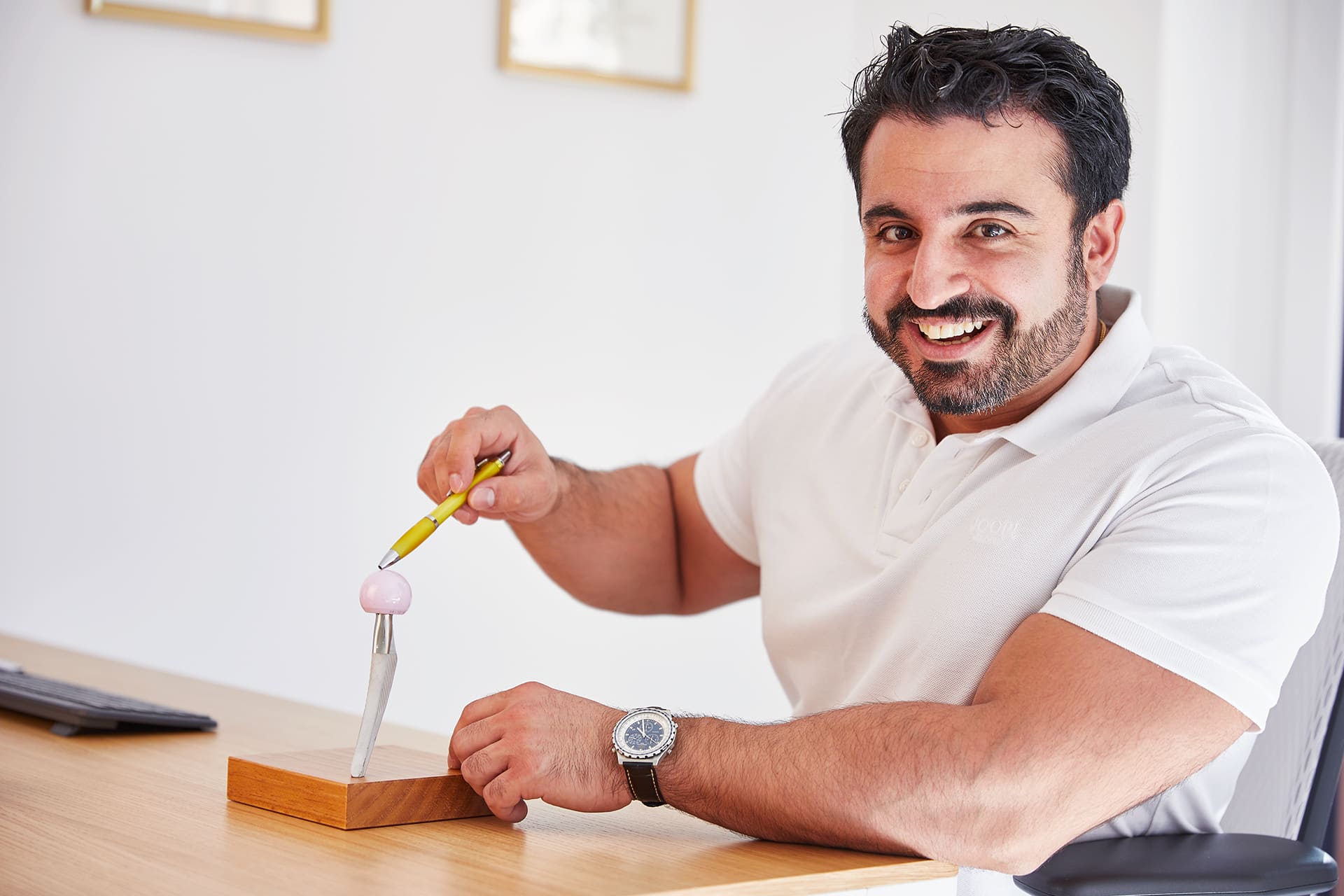
Hip replacement surgery can decisively improve quality of life – particularly when pain and restricted movement severely affect everyday life. At the ANDRUKONIS orthopaedic centre in Vienna we accompany you competently from the first examination through to successful rehabilitation.
Comprehensive diagnostics precede every operation. First, your medical history is taken in a personal consultation and the current mobility of the hip joint is examined.
Based on X-rays or MRI scans our specialists assess the extent of the damage and decide whether an operation is necessary or whether conservative treatment can be continued.
If surgery is planned, the appropriate type of prosthesis is selected:
Cementless prostheses are usually used in younger, active patients.
Cemented prostheses are particularly suitable for older patients or where bone density is low.
Hybrid prostheses combine both procedures.
The anchoring and the material (titanium, ceramic, polyethylene) are also adapted individually to your needs.
Which surgical procedures are available?
There are various proven procedures for fitting a hip prosthesis:
Classic procedure
Here the hip joint is exposed through a larger incision. This method gives the surgeon a good view but involves a somewhat longer healing period.
Minimally invasive surgery
With this technique muscles and soft tissue are spared, as only small access points are required. This shortens the rehabilitation time, and pain after the operation is usually lower.
The most modern procedure: access is through the front of the hip region, which means no muscles have to be cut. Patients can usually stand up on the first day after the operation.
This technique is used particularly frequently at the ANDRUKONIS orthopaedic centre.
Hip replacement surgery: the procedure
1
Preparation and examinations
Blood tests, an ECG and, where necessary, an internal medicine assessment take place before the procedure. The anaesthesia consultation is also held in good time.
2
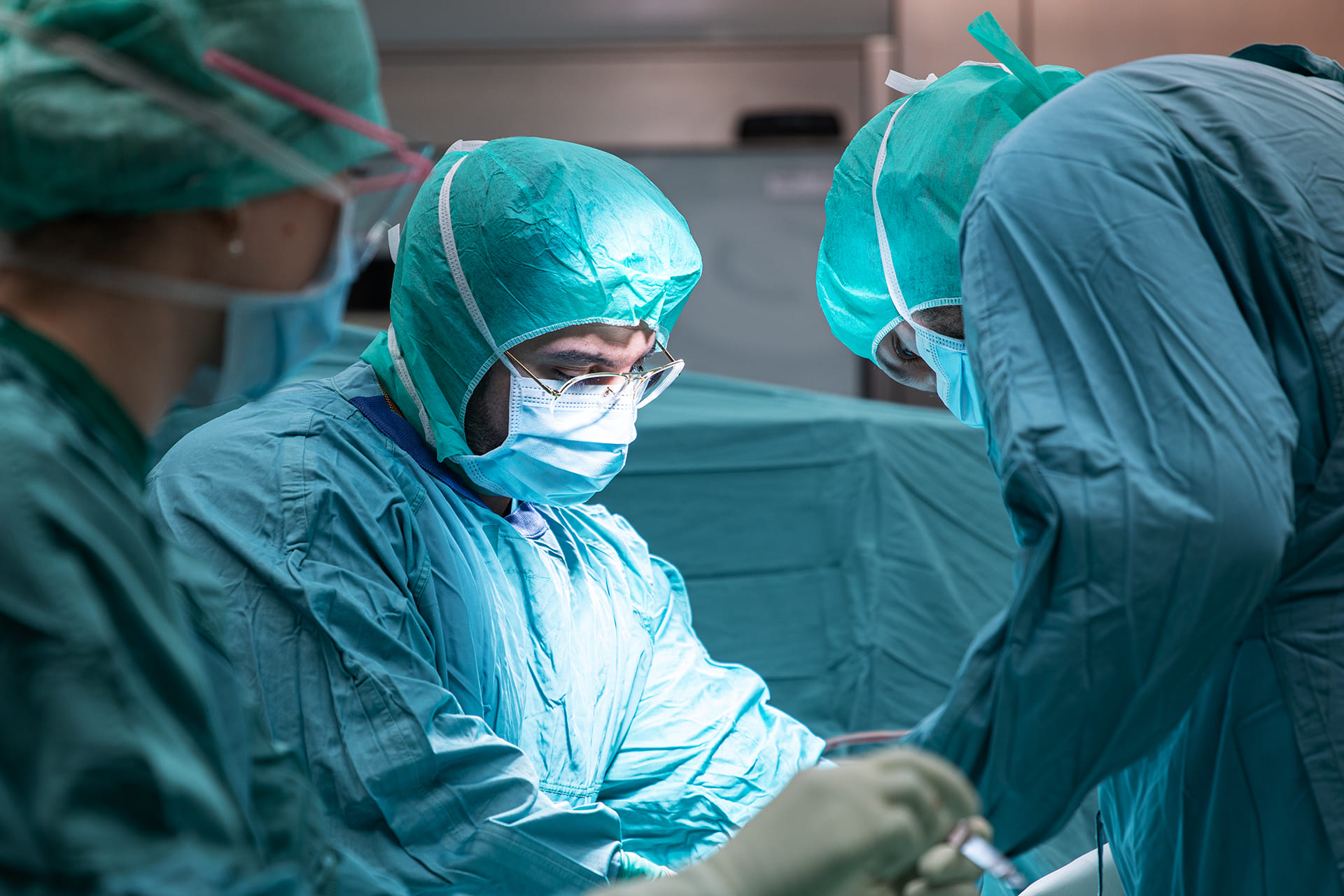
Procedure in the operating theatre
After the anaesthetic, the damaged hip joint is removed and replaced with the individually fitted prosthesis. The wound is then carefully closed and dressed under sterile conditions.
3
Duration of the operation
The operation itself usually takes 60 to 90 minutes, depending on the technique chosen and the individual findings.
4
Type of anaesthesia
Depending on the situation, a general anaesthetic or a spinal anaesthetic is used – always in consultation with the anaesthetist.
A modern hip prosthesis can eliminate pain almost completely and considerably improve mobility.
Over 90% of patients report a clear increase in their quality of life – many are able to do sport again, go hiking or sit and sleep without pain.
Move without pain
Better mobility
Higher quality of life
Restful sleep
Fast recovery
Patient feedback
The satisfaction and trust of our patients come first for us. Their positive experiences motivate us to guarantee top quality in surgical care every day.
Below, some patients report on their personal experiences of the treatment.
After my hip surgery with Dr. Shaabani I was able to walk again after just a few days. A big thank you to the whole team!
Competent advice, modern surgical technique and outstanding aftercare – absolutely recommended!
Cost of hip replacement surgery in Vienna – care by the ANDRUKONIS team
The cost of hip replacement surgery depends on several factors – for example the surgical procedure, the implant used and the length of stay at the clinic.
As a private patient you either bear the costs yourself or they are covered – depending on your policy – by your private health insurance. Supplementary insurance often also covers services such as a single room or treatment by elective doctors.
The operations are carried out in cooperation with renowned Viennese clinics, for example Klinik Penzing or Klinik Floridsdorf.
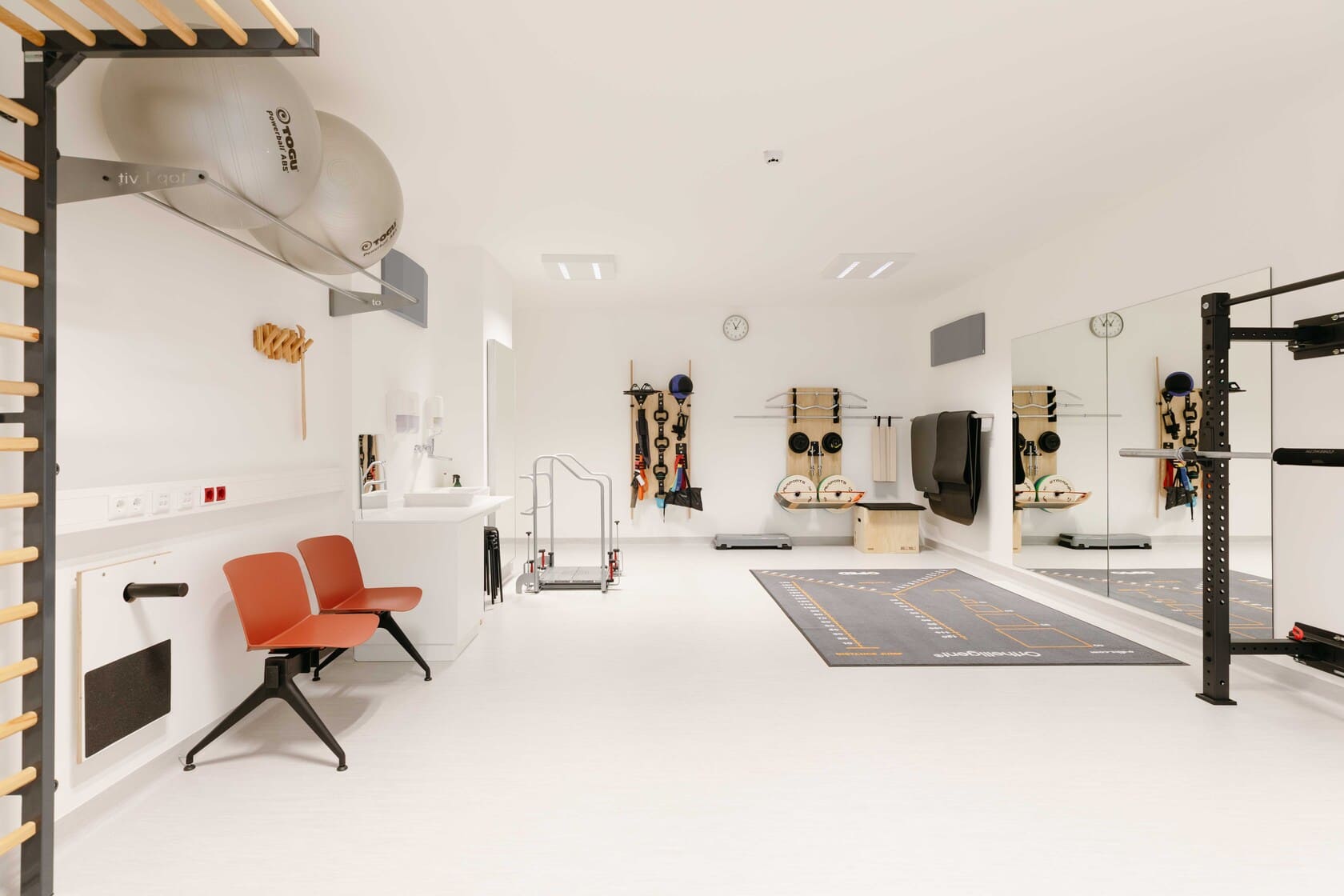
Mobilisation with our physiotherapists begins the day after the operation.
At the ANDRUKONIS orthopaedic centre you benefit from a holistic aftercare concept covering rehabilitation, physiotherapy and building up movement. The aim is for you to walk without pain and take an active part in everyday life again as quickly as possible.
How long does a hip prosthesis last?
Modern hip prostheses last on average 15 to 25 years, often longer – depending on load, body weight and level of activity. Regular follow-up checks contribute significantly to the longevity of the implant.
What are the risks of hip replacement surgery?
As with any surgical procedure, risks can occur, for example:
Infections in the wound area
Thrombosis or embolism
Loosening or wear of the prosthesis
Differences in leg length
At the ANDRUKONIS orthopaedic centre we work with state-of-the-art technology and strict hygiene standards in order to reduce the risk to a minimum.